Sliding Doors: The Best Space-Efficient Alternative for Your Residence
Sliding doors have surged in demand as a practical approach for better utilizing square footage in today's homes. Their capacity to operate without encroaching on the space makes them ideal for limited areas. Additionally, they can maximize natural light and foster an open ambiance. However, picking the correct style and confirming proper installation can be problematic. Examining the various advantages and alternatives at hand may discover valuable insights that could completely change your living space.

The Advantages of Sliding Doors in Small Spaces
In small residential spaces, gliding door systems offer a effective answer to limited square footage. Unlike conventional swing doors, which demand clearance for swinging open, gliding doors move along a track, minimizing the space required for entry. This characteristic is especially beneficial in compact areas where every square foot matters.
In addition, pocket doors can be customized to match various design styles, enhancing the aesthetic appeal of a space while maximizing performance. They can act as room dividers, producing distinct areas without sacrificing openness.
Furthermore, pocket doors often come in various materials, including glass, which can enlarge a room visually by forming a smooth connection with outdoor spaces. This flexibility makes them an ideal choice for urban apartments or tiny homes, where efficiency and style are paramount. Overall, pocket doors effectively blend practicality with design, making them a valuable addition to any small living area.
How Sliding Doors Improve Light and Air Circulation
Sliding doors play a important role in maximizing sunlight within a area, allowing sunlight to pour in without blockage. Their design facilitates a smooth passage between areas, creating an open and airy atmosphere. This combination improves both the visual appeal and functionality of indoor environments.
Natural Light Maximization
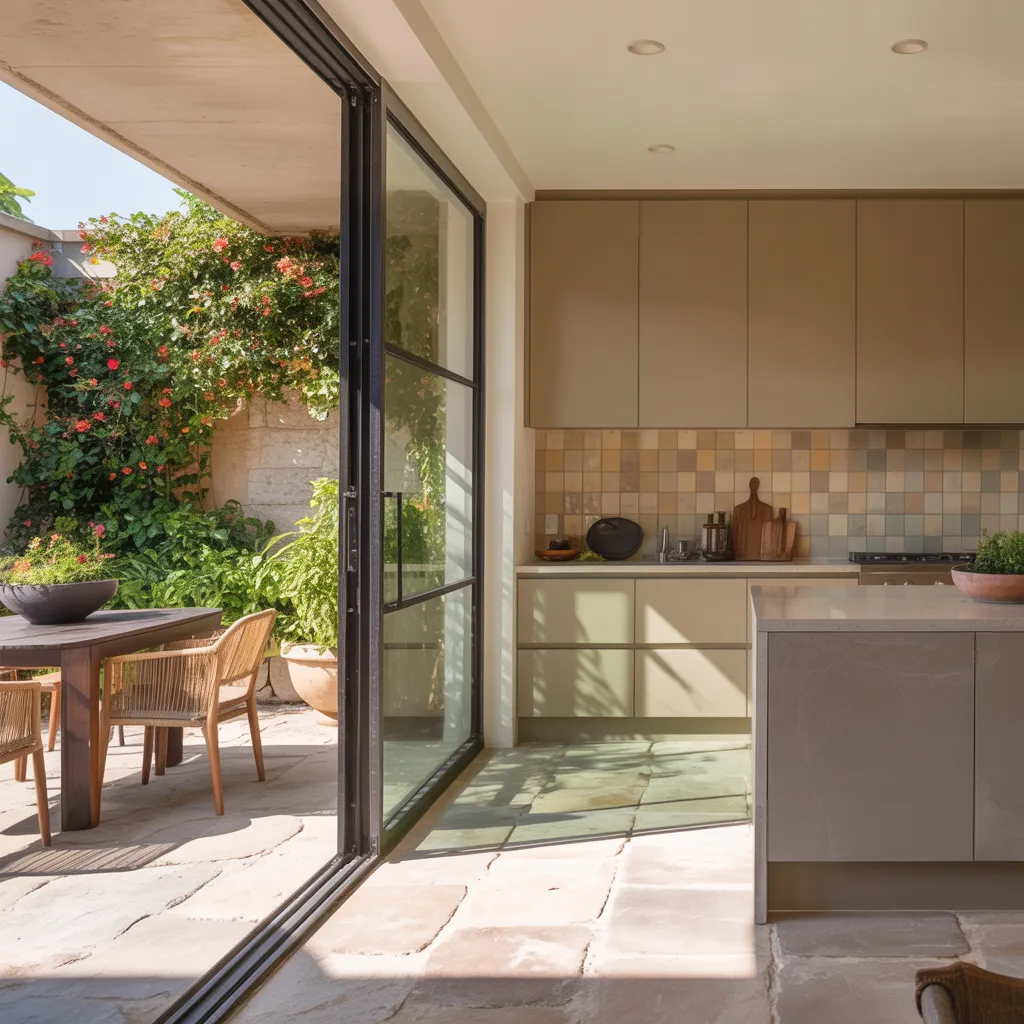
How can the structure of glass sliding doors enhance the movement of sunlight within a room? Glass sliding doors, often made from large glass panels, allow sunlight to penetrate deeper into interiors, creating bright and welcoming environments. Unlike traditional doors, their construction reduces barriers, facilitating a smooth integration between indoor and outdoor areas. This openness not only enhances visibility but also renders spaces appear larger and more spacious. Additionally, strategically positioned sliding doors can maximize light dispersal, decreasing the need for electric lights during the day. By brightening rooms with natural light, these doors promote energy conservation and promote well-being. The aesthetic appeal of sliding doors further enhances this function, making them a desirable choice for improving light in modern homes.
Smooth Area Change
What causes sliding doors an ideal choice for boosting the connectivity of rooms? Their construction enables for barrier-free passages, creating a seamless bond between rooms. Unlike conventional door styles, which need space to swing open, sliding doors glide along tracks, rendering them excellent for tighter areas. This feature encourages a sense of openness and continuity within a home.
In addition, sliding doors often feature large glass panels that invite natural light, even more improving the visual flow between spaces. This natural brightness creates an open feeling, making even limited spaces feel more expansive. By uniting indoor and outdoor environments, they build a positive interaction with nature. Overall, sliding doors are a valuable option for expanding space and light, greatly improving overall home operations.
What's the Best Way to Choose Your Sliding Door Design?
Picking the right glass door option can significantly boost both the functionality and visual appeal of a room. When picking a glass door, one must consider the overall design theme of the home. For modern interiors, simple, clean styles with glass panels can establish an bright and spacious atmosphere. Conversely, classic environments may gain from wooden sliding doors, which introduce charm and coziness.
Functionality is another vital aspect; choices range from pocket doors, which save space, to bi-fold doors, excellent for wider openings. The material also has importance; glass facilitates natural light, while solid wood provides privacy and insulation.
Additionally, color and coating should harmonize with existing decor to establish a unified look. Finally, the door's hardware should match the chosen style, improving both ease of use and appearance. By evaluating these considerations thoroughly, homeowners can pick a sliding door that addresses their needs while upgrading their living environment.
Key Installation Pointers for Sliding Doors
Choosing the right sliding door design creates the foundation for a smooth installation process. Before starting, it is essential to assess the opening area precisely, making sure that the selected door fits perfectly within the designated area. A level floor is vital; any irregularities must be corrected to avoid operational issues. Properly assembling the track system is important, as it supports the door's load and operation. Adhering to the maker's instructions for setup is necessary, as different models may have special specifications.
Furthermore, fastening the door frame securely can enhance structural integrity and improve performance. Once installed, a last inspection of the door's movement ensures seamless functionality. If needed, modifications can be applied to the wheels or rail to attain proper positioning. Finally, closing openings with weatherstripping not only provides thermal protection but also enhances energy efficiency, making sure that the sliding door serves its purpose properly.
Caring for Your Sliding Doors: Maintenance Tips
Protecting sliding doors is necessary for their extended life and first-rate operation. A frequent cleaning regimen, combined with evaluating tracks and rollers, confirms smooth performance. Additionally, proper greasing approaches can avoid wear and tear and enhance functionality.
Establish a consistent cleaning schedule
Creating a consistent cleaning schedule is necessary for ensuring the longevity and functionality of sliding doors. Dust, dirt, and debris can collect on the surface and inside the tracks, potentially interfering with smooth operation. Ideally, sliding doors should be cleaned at least once a month. This routine should entail wiping down the glass panels with a proper glass cleaner, which helps maintain transparency and clarity. Additionally, the frames should be cleaned to prevent buildup. Using a vacuum with a brush attachment can efficiently remove debris from the tracks. Regular maintenance not only enhances the appearance of sliding doors but also prevents long-term damage, making certain that they continue to operate seamlessly over the years.
Examining Tracks And Rollers
Assessing rails and cylinders is an important part of maintaining sliding doors. Routine examinations help in identifying damage, ensuring smooth operation and extending the durability of the doors. Homeowners should look out for debris, dirt, or obstructions that could block movement. Additionally, assessing the rollers for issues or unevenness is critical, as these can cause operational difficulties. It is crucial to watch for signs of rust or corrosion, which may compromise functionality. Making sure tracks are level and free of defects is fundamental for correct alignment. By performing these inspections consistently, homeowners can preserve the performance of their sliding doors and prevent expensive repairs, promoting a flawless experience in their living areas.
Lubrication Techniques And Tips
After checking that the tracks and rollers are in adequate condition, correct lubrication is necessary for the effective operation of sliding doors. Regular use of lubricant prevents wear and tear, helping smooth functioning. A silicone-based spray is favorable, as it repels dirt and dust while lowering friction. Users should place lubricant onto the tracks and rollers, cleaning any excess to prevent attracting debris. It is best to lubricate sliding doors every six months, or more frequently in areas with heavy traffic. Furthermore, checking for rust or corrosion on metal components is important; if found, a rust remover should be applied before reapplying lubricant. Routine maintenance not only boosts performance but also extends the lifespan of sliding doors.
Creative Design Concepts Using Sliding Doors
Though sliding doors are often considered functional elements, they can also function as distinctive design highlights in any environment. Designers more and more include them in innovative ways, improving both style and usefulness. For example, frosted glass sliding doors can provide a modern, airy ambiance while ensuring privacy. In compact homes, mirrored surfaces on sliding doors can make the space seem larger by reflecting light and adding depth.
Yet another clever solution centers on applying sliding barn doors, which can imbue rustic charm into contemporary interiors. These doors commonly boast unique hardware, winning focus and operating as conversation starters. In addition, homeowners can enhance sliding doors with bold colors or intricate patterns, making them focal points in open-plan designs.
Installing integrated shelves or ornamental frames beside gliding doors can additionally elevate their decorative charm, smoothly integrating functionality with artistic expression. Ultimately, gliding doors deliver boundless options for creative design.
Are Glass Sliding Doors Worth the Price?
Are glass sliding doors truly a worthwhile investment for homeowners? The answer depends on specific requirements and factors. Glass sliding doors can enhance space efficiency, particularly in tight homes. Their design allows for unobstructed access and a effortless transition between inside and outside spaces, which can be particularly appealing in warmer climates.
Moreover, glass doors can increase natural light, forming a brighter living environment. Still, the initial cost can be steep, often surpassing traditional doors in price due to their manufacturing and installation procedures. Homeowners must also consider long-term upkeep needs; door tracks may call examine this material for regular tidying and occasional repairs.
In the end, the advantage of sliding doors is based on individual preferences. For those prioritizing style, space-saving solutions, and improved access, the investment may prove worthwhile. Conversely, homeowners with less weight placed on these aspects might find traditional doors more applicable for their needs.
Routine Questions Raised Frequently
Gliding Doors — Can They Be Implemented in Non-Traditional Settings?
Yes, sliding panels can be incorporated in non-traditional locations, such as closets, room separators, or even as partitions in open spaces. Their versatility supports creative design solutions in various architectural settings.
Which Materials Work Most Effectively for Sliding Door Units?
Wood, glass, and metal represent the finest choices for sliding doors. Wood offers durability and warmth, glass provides transparency and elegance, while metal delivers modern appeal and strength, meeting various design preferences and functional needs.
In What Way Do Sliding Doors Influence Home Resale Value?
Sliding doors can positively impact home property worth by improving visual appeal, improving space efficiency, and providing easy access to outdoor areas. Their modern appeal often draws purchasers, making properties more desirable in challenging property markets.
Can Sliding Glass Doors Supply Energy Conservation for Current Living Spaces?
Sliding doors can be energy-saving when equipped with double or triple glazing and proper seals. Their design allows for daylight while minimizing drafts, contributing to reduced heating and cooling costs in homes.
Can I try to set up slide door systems without professional help?
Yes, bypass sliding doors can be installed by people with basic DIY skills. However, accurate measurements, equipment, and thorough carefulness are critical for a quality result. Examining instructions or consulting professionals may also be useful.